Mold Removal in Biloxi, MS
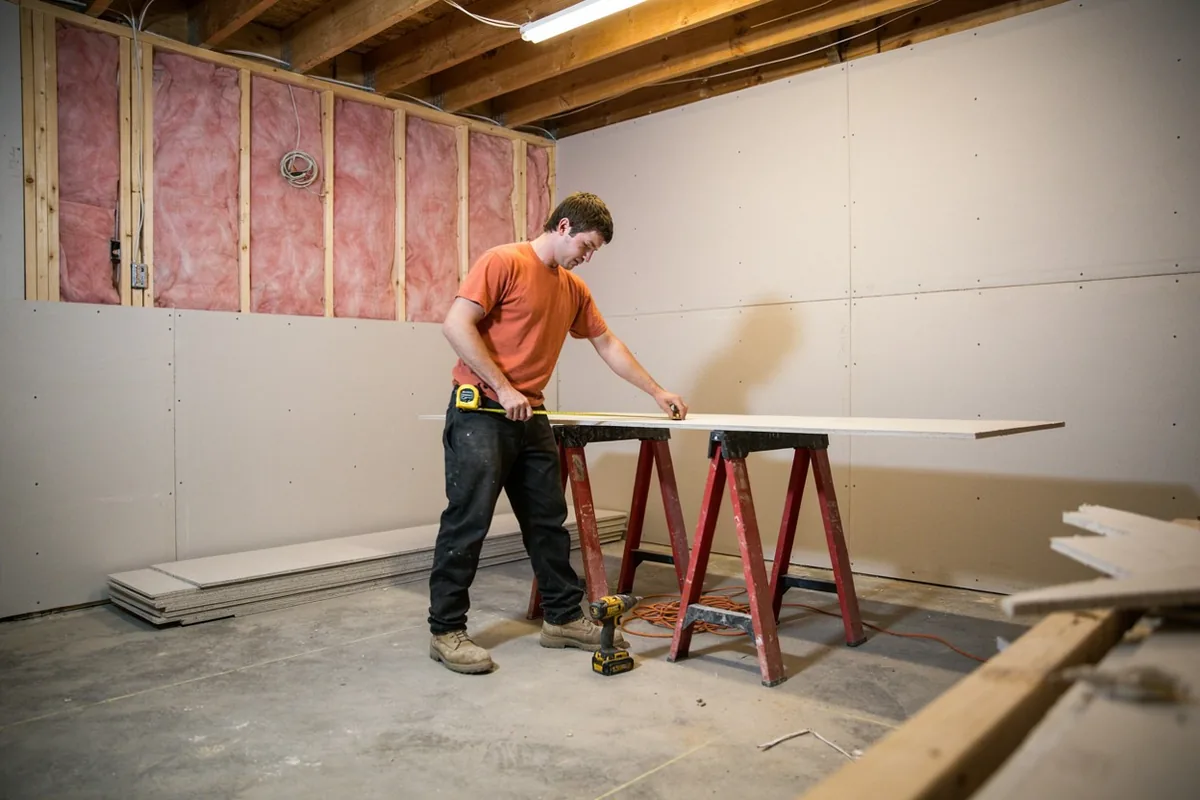
You pulled the dresser away from the wall and the drywall behind it is speckled green. Or the ceiling under the spot where Zeta lifted the shingles has a stain that keeps growing. Or the back of the pantry has a dark line along the floor that wasn’t there in spring. Call and tell us what you found. We remove mold in Biloxi, D’Iberville, and the eastern Mississippi Gulf Coast, and that is the whole business.
Where the job starts
We look at the room, the material, and where the water got in. Moisture readings on the sheetrock and studs mark the edges of the job: which sheets come out, which framing gets cleaned, and how far past the visible spot the wet area runs. The spot you can see is usually the edge of it rather than the middle.
The work area gets sealed in plastic and held under negative pressure so nothing travels to the rest of the house. Everyone inside the containment wears a respirator and a suit, every time.
What leaves the house and what stays
- Drywall, insulation, carpet pad, ceiling tile, and anything else porous that got wet and moldy comes out, bagged inside the containment before it moves.
- Studs, joists, masonry, and slab stay, get cleaned where they stand, then HEPA-vacuumed and wiped.
- Nothing gets closed back up until the wood reads dry — CDC says material wet more than 48 hours will generally support extensive growth, so the sheet comes out rather than getting dried in place.
- Dead mold is still an allergen; removal is the standard, not killing.
Tell Us What Got Wet, 24/7

The water has to stop
Mold needs moisture, and if the leak that fed it is still running, the removal won’t hold. Part of every job is finding where the water came in and telling you plainly what has to change before the wall goes back together. EPA says don’t paint or caulk over mold and doesn’t recommend bleach as a routine practice; paint changes the color and leaves the cause.
Biloxi notes
Along the beach and the bay, most of the housing was rebuilt or lifted after 2005, and a spreading patch near the floor in one of those houses usually points to a newer leak rather than the old surge. In West Biloxi and North Biloxi, the 1960s and 70s slab houses carry original plumbing and windows that leak in a north wind. Out in D’Iberville and Woolmarket, the newer houses are built tight, which keeps a slow leak from drying. Yesterday’s water can be today’s mold in any of them.
What you get when it’s done
A written report — what was removed, from where, why — with photos taken before and during the job. We hand it to you at the end of every job. It is the document a buyer or an adjuster will ask to see.